
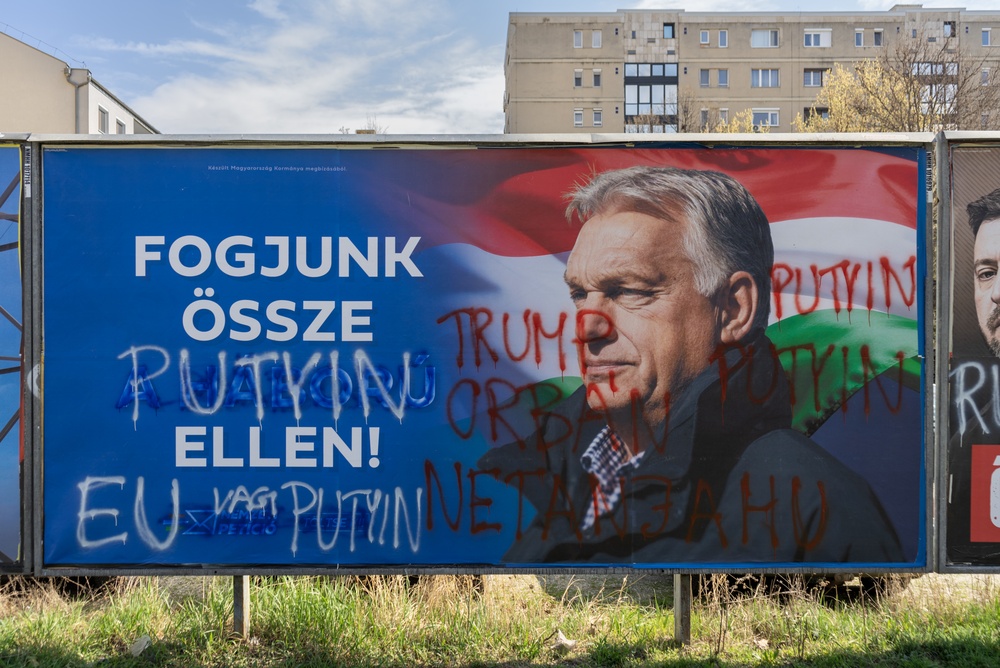
Following Hungary’s political earthquake of ejecting its long-standing pro-Putin leader Viktor Orbán, the nation’s gambling industry, burdened by years of a corrupt and oppressive state-backed monopoly system, is now all set for radical liberalisation.
Once synonymous for its Enlightenment ideals, Habsburg grandeur and later resistance to Soviet rule, Hungary, now led by a new Prime Minister, Péter Magyar, is rising once again and seeking to dismantle the systemic corruption that marked Orban’s 20-years of power in the key Mittel European country, a corruption that extended even to its gambling industry.
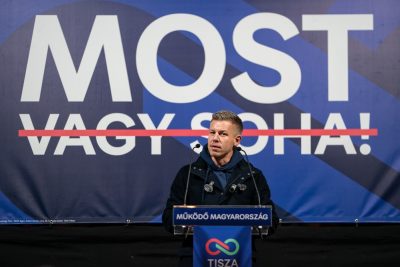
Last month, Hungarian voters ousted Orbán’s and swept reformist challenger Magyar and his Tisza party into office on promises to stamp out the corruption critics say flourished under the previous administration.
That corruption became so entrenched under Orbán that Hungary currently ranks at the bottom of Transparency International’s 2025 Corruption Perceptions Index in Europe.
Political Transition
But Hungary’s political transition is now set to bring change.
Under pressure from consecutive ECJ judgments and mounting promises to remove cronyistic structures, gambling reform is now coming, say a number of the country’s top legal experts.
“The TISZA Party has made the gambling industry one of its primary targets for holding the previous system accountable and reviewing state concession contracts,” top gambling lawyer Dr Helembai Gábor told the media.
“The major corporate beneficiaries of the previous government–which likely includes the current land-based casino concession holders–will face serious scrutiny.”
And Viktor György Radics of legal firm DLA Piper believes the only remaining question is “how soon the changes will be implemented and what the new regulatory structure will look like”.
Comprehensive Overhaul
“A comprehensive overhaul affecting both land-based and online sectors is now almost certain,” he confirmed to iGF.
As Hungary seeks to liberalise its gambling markets, neighbouring regulatory models offer ready-made blueprints to draw on.
Hungary’s gambling market generated €1.14 billion (£970m) in GGR in 2024, with around €450 million (£384m) coming from iGaming.
Both retail and online gambling are legal. And under the current framework–in place since 2023–any operator can theoretically apply for an online sports betting licence.
“[But] Hungarian policies have been highly effective in keeping international operators out,” explained Radics.
Shut Out
In practice, no licences have been issued, according to the latest update from the Hungarian gambling regulator, the Supervisory Authority of Regulated Activities (SZTFH), leaving the market the domain of the former state monopoly holder Szerencsejáték Zrt.
Online casino licences remain equally elusive, tied to land-based casino concessions, effectively shutting out new entrants.
One major reform challenge will be designing a system that encourages competition and brings players back onshore.
Due to the state monopoly not allowing competition, the country’s channelisation rate currently sits at 54 percent according to H2 Gambling Capital data, with millions flowing offshore annually.
Currently, Hungary has 11 land-based casinos, each permitted to operate an online casino.
‘Hardcore’ Providers
According to Radics, all are believed to be linked to “individuals close to government forces”.
“Unfortunately, this has led to a situation where reliable international brands (particularly tier ones) are absent from Hungary,” Radics told me; “while unregulated, ‘hardcore’ providers, who are much harder to block, are present.”
Data from Blask appears to support that assessment, identifying 72 active off-shore betting brands targeting Hungarian residents.
Tackling systemic corruption and designing and implementing new regulations is one of many issues facing the new Magyar government in this nation of 9.5 million people.
But TISZA’s supermajority should make reforms, including a gambling overhaul, easier to pass.
Diversity and Protection
Hungary’s gambling regulator disputes suggestions that channelisation remains low, claiming that some sources show “80 percent of players are channelled toward licensed operators”.

In a statement to iGamingFuture, the regulator shared that the Supervisory Authority for Regulatory Affairs had prepared new proposals aimed at strengthening player protection rules in response to evolving market conditions and marketing practices.
The regulator added that it continues to monitor licensed operators through a “strict and comprehensive regulatory framework”, including oversight of self-exclusion systems, anti-money laundering controls and illegal gambling promotion.”
And conceded: “A more open and competitive market would likely bring increased diversity and a stronger presence of international operators, higher standards of player protection and far more robust monitoring of gambling’s social effects.”