
Cape Verde’s World Cup Fairytale Could Boost Its Nascent Gambling Industry
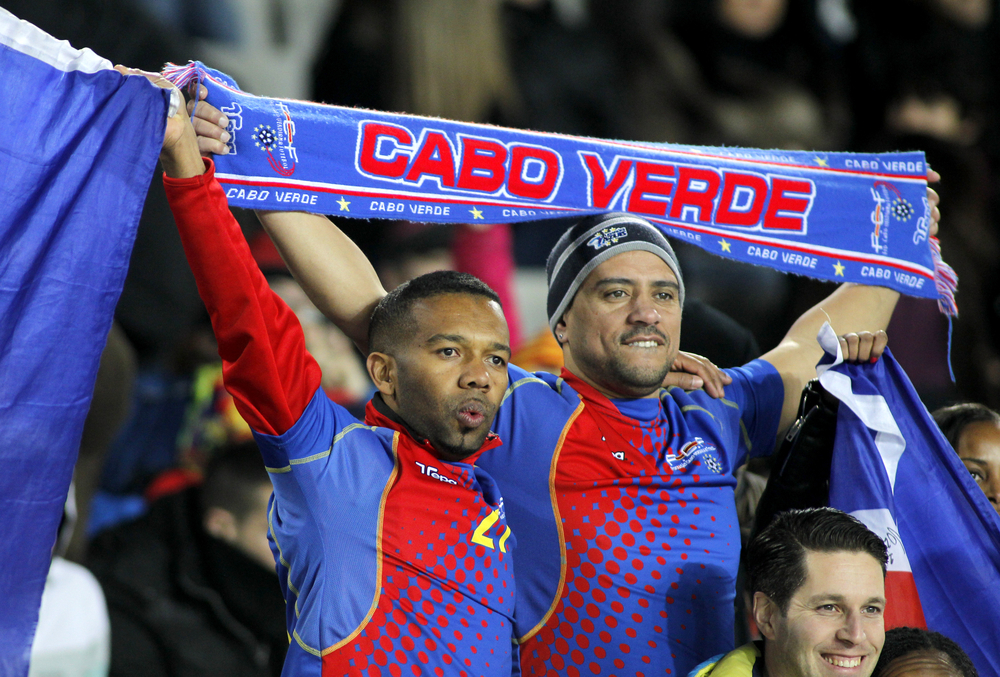
Cape Verde’s first FIFA World Cup campaign ended in the Round of 32, but not before the Blue Sharks captured global attention with a series of performances that few had predicted, writes Tooni Wale.
After qualifying through the CAF qualifiers, the island nation went unbeaten against Spain and Uruguay in the group stage before taking defending champions Argentina to extra time in a dramatic 3-2 defeat.
Argentina eventually progressed thanks to an own goal, but Cape Verde–now 64th in the FIFA world ranking–left the tournament as legends and their little known archipelagic country located in the central Atlantic Ocean, about 350 to 500 miles (600 to 850 km) off the western coast of Africa, near Senegal, boosted in reputation and recognition.
Superstar Vozinha
And their 40-year-old captain and goalkeeper, Josimar José Évora Dias, commonly known as Vozinha, became one of the faces of Cape Verde’s World Cup run, making a total of 18 saves throughout.
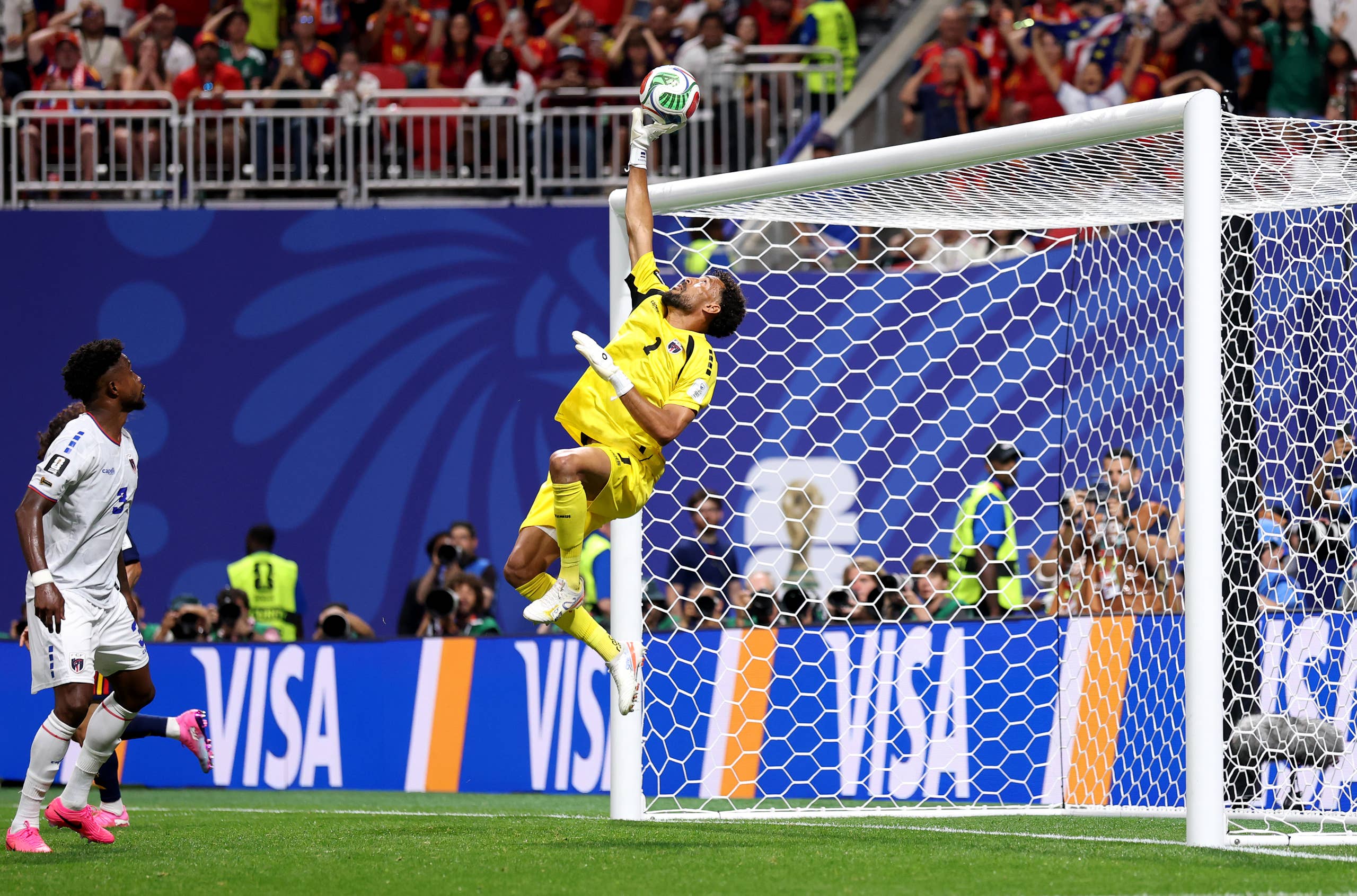
Interviewed after the historic draw with World Cup favourites Spain, Vozinha said: “Today the dream come true. We compete against Spain and it is one of the best national teams in the world.
“And we are very very happy. Very proud of all the players.”
Cape Verde’s astonishing World Cup run also created one of the tournament’s biggest social media success stories.
Blue Sharks
Punch Nigeria reported that Vozinha had just over 46,000 Instagram followers before the World Cup began. By the time Cape Verde exited the tournament on Friday, July 3, that figure had risen to 19.1 million.
As of July 7, Vozinha’s Instagram following stood at 27.6 million people, boosting his earnings by some US$14 million (£10.45m).
Cape Verde’s World Cup debut introduced the African island nation to a much wider international audience.
For many football fans, it was their first encounter with the Blue Sharks and the island nation they represent.
Perhaps Morocco–still fighting to win this latest edition of the World Cup–offers the clearest blueprint of how success on the football field can translate into economic gains.
After Morocco reached the semi-finals of the 2022 World Cup, the country reported record tourism growth.
Tourism Minister Fatim-Zahra Ammor said Morocco welcomed 14.5 million visitors in 2023, a 34 percent increase from 2022.
Gambling Industry Breakout?
Now Cape Verde’s economy and its little-known gambling industry can likewise hope that its breakthrough World Cup campaign creates similar opportunities.
Cape Verde may not be a major gaming market, but it is not new to the sector.
The country had established its legal framework for casino gaming in 2005, and the sector forms part of the government’s plan to support tourism and attract private investment.
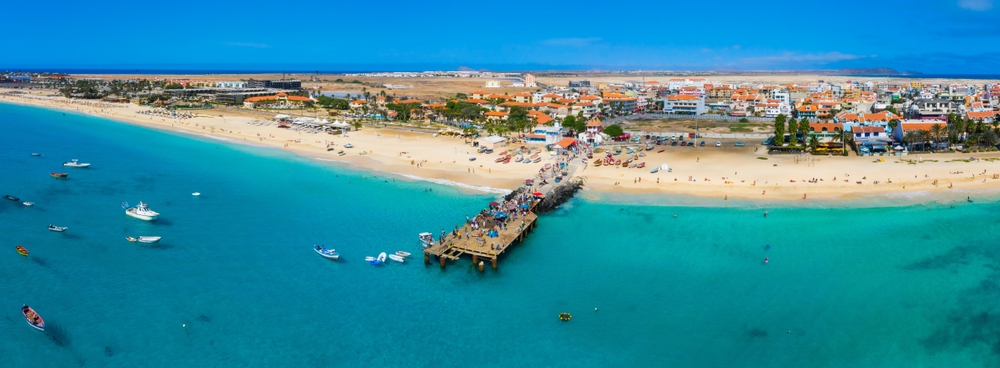
The government has continued to build on that foundation.
In 2025, Cape Verde’s central government launched the US$5.5 million (£4.10m) Monte Cara Project on the island of São Vicente, a 25-year tourism and gambling concession.
The Monte Cara casino, named after a local volcanic peak that looks like a human face, must pay the state a concession fee of US$725,500 (£474,165) and give six percent of its annual revenue to public-interest projects for the São Vicente Municipal Council.
Global Pull
“[We are] integrating gaming into [our] tourism offering to diversify the visitor experience,” said Cabo Verde Minister of Tourism and Transport José Luís Sá Nogueira.
Whether Cape Verde’s new-found World Cup fame translates into more gaming investments will depend on regulation and market demand, but the Atlantic island-nation is now, indubitably, on the radar of a much wider global audience
Cape Verde may not have won the World Cup, but its performances on football’s biggest stage attracted international attention.
In addition to the US$13.5 million (£10.08m) awarded for reaching the Round of 32, the tournament gave the country unprecedented visibility among a global audience.
For a country that’s rarely mentioned in global gaming conversations, the World Cup brought international exposure.
And this alone is enough to make Cape Verde a market worth watching as investors and operators continue to look for the next growth story in Africa.