Narco-violence, which has left scores of dead in clashes between police and traffickers, following the death of notorious drug lord “El Mencho”, threatens to derail Mexico’s joint-hosting of the FIFA World Cup being held in North America between June 11 and July 19 this summer.
Heavy clashes between police special forces and members of the notorious Jalisco New Generation Cartel (CJNG)–triggered by the death-in-custody of the cartel’s leader Nemesio Oseguera, known as “El Mencho”–has now led to fears that the western city of Guadalajara will be struck off as a World Cup site — and all matches scheduled to be played in the regional capital will be moved.
Which begs a further question: Should these matches be shifted to Mexico City and Monterrey, or moved to other host cities in Canada and the USA, where football World Cup games are also scheduled to be played?
Other observers even argue that unstable Mexico should be struck off as a World Cup venue altogether.
Wave of Violence
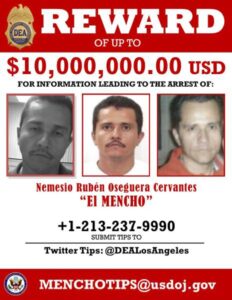
Guadalajara, Mexico’s second most populous city and the capital of Jalisco State in the west, became the epicentre of a wave of violence over the weekend following a military operation against 59-year-old drug lord “El Mencho” — a bastardisation of his first name Nemesio, which means nemesis or vengeance.
El Mencho died in custody after being shot by anti-narco special forces, who caught him when he was visiting his girlfriend, according to reports.
Did he die of his wounds? Or was he judicially executed?
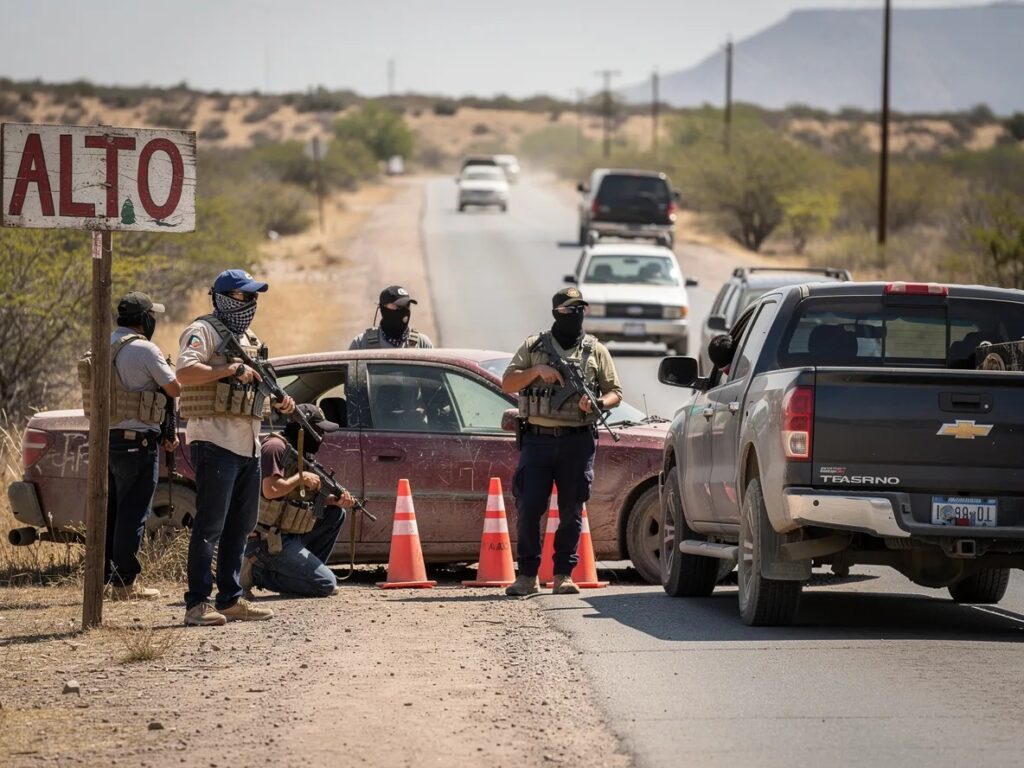
The foot soldiers of the CJNG didn’t wait to find out, and they unleashed a wave of bombing and retaliation across the colonial splendour of Guadalajara and wider Jalisco.
They blockaded major roads with burning vehicles and forced thousands of businesses to close, while fearful civilians stayed home.
The violence has set off alarm bells around the world of sports.
Security Concerns
Guadalajara’s Akron Stadium is scheduled to host both playoff matches and group-stage games at the World Cup, raising concerns less than four months before the start of the FIFA 2026 tournament.
FIFA is monitoring the situation in the city, which is due to stage the following matches at Estadio Akron: June 11, South Korea vs UEFA Playoff 4; June 18, Mexico vs South Korea; June 23, Colombia vs Congo/Jamaica/New Caledonia; and June 26, Uruguay vs Spain.
Before this, Estadio Akron is/was set to host group playoff matches between Congo, Jamaica and New Caledonia from March 26 to 31, which have already been postponed due to the violence.
Meantime, Mexico’s top football Liga MX has also delayed matches over security concerns.
The Guadalajara 125 Open tennis tournament is continuing, but under heightened security measures.
“We are closely monitoring the situation in Jalisco and remain in constant communication with the authorities,” a FIFA spokesperson told iGamingFuture.
Sheinbaum Guarantees
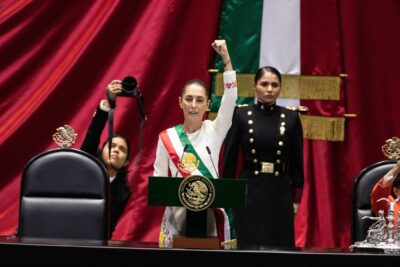
Mexican President Claudia Sheinbaum said yesterday (Feb.24) that “all guarantees” are in place for the World Cup and that there is “no risk” to visitors.
FIFA President Gianni Infantino echoed that view, telling reporters during an event in Colombia: “Everything is fine. It’s going to be spectacular.”
And Jalisco Governor Pablo Lemus has also confirmed that he has been told by FIFA that it does not intend to remove any host cities.
Lemus ordered the immediate suspension of public transport and the cancellation of classes on Monday, and called off mass events across the state on Sunday.
But any further outbreaks of widespread violence in Mexico may very well impact the nation co-hosting the FIFA World Cup.
Since coming to power for the second time at the start of last year, President Trump has urged his Mexican counterpart to crack down on drug traffickers in a bid to stem the flow of narcotics across their common border and help tackle the U.S.’s runaway fentanyl, crystal meth and cocaine addiction.
Between A Rock and A Hard Place
Mexico President Sheinbaum has been caught literally between a rock and a hard place, with Mr Trump threatening swingeing tariffs and narcos retaliating with unhinged violence when confronted.
FIFA, which under the controversial leadership of Infantino has made no secret of its admiration for the U.S. president–awarding him a “Peace Prize” at the final World Cup draw in Washington D.C. on December 5–, has the right to cancel, reschedule or relocate matches (or an entire competition) at its sole discretion in cases of “force majeure” – which include wars, serious civil unrest or imminent security risks.
Each host nation signs contracts committing to guarantee the physical safety of players, officials and fans.
If FIFA determines that a state cannot meet these obligations, the FIFA Council can intervene.
In 2022, FIFA demonstrated it can take swift administrative decisions on security and international political grounds when it excluded Russia following its invasion of Ukraine in February of that year.
Who said sport is beyond or above politics?
Watch this space!