
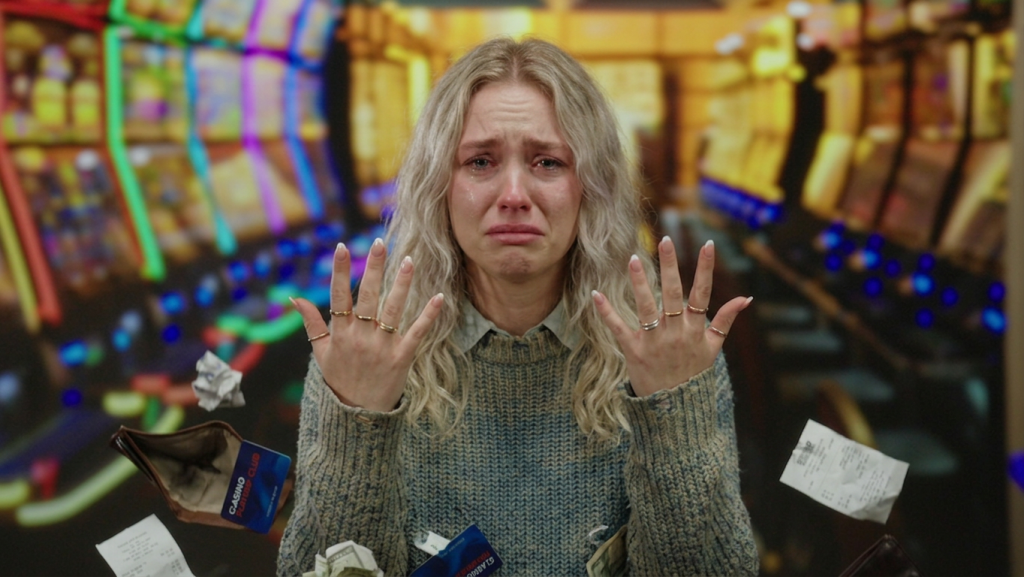
Whilst problem gambling is on the decline in Sweden, a worrying trend forecasting an increase in young female online casino players with concurrent mental health problems has been reported to iGamingFuture by Swedish affiliate CasinoFeber, CasinoFever.
The study, conducted by independent research institute, Reflect Företagsutveckling AB, was carried out through the Norstat nationally-representative market research consumer panel.
Some 3,463 respondents, playing across both in-person betting and online casinos, chose to participate.
The study found that whilst just 13 percent of male gamblers reported a concurrent mental health disorder, this number almost tripled in the case of young women ages 18-to-26-years-old.
A whopping 34 percent of female respondents in this group reported a previous mental health diagnosis.
More broadly, female respondents across all ages were highlighted as having a 29 percent concurrence with mental health disorders across all age groups.
As defined by The National Problem Gambling Helpline, problem gambling is gambling that is damaging to a person or their family and disruptive to daily life and/or their career.
Mental Health Disorder
The disorder can develop at any point in somebody’s life and is a recognized mental health diagnosis.
And this is not the first time reports of problematic gambling amongst women have come out of Sweden.
In 2019, the BBC reported that female gambling addicts outnumbered men in Sweden— an unprecedented statistic not seen in the rest of Europe.
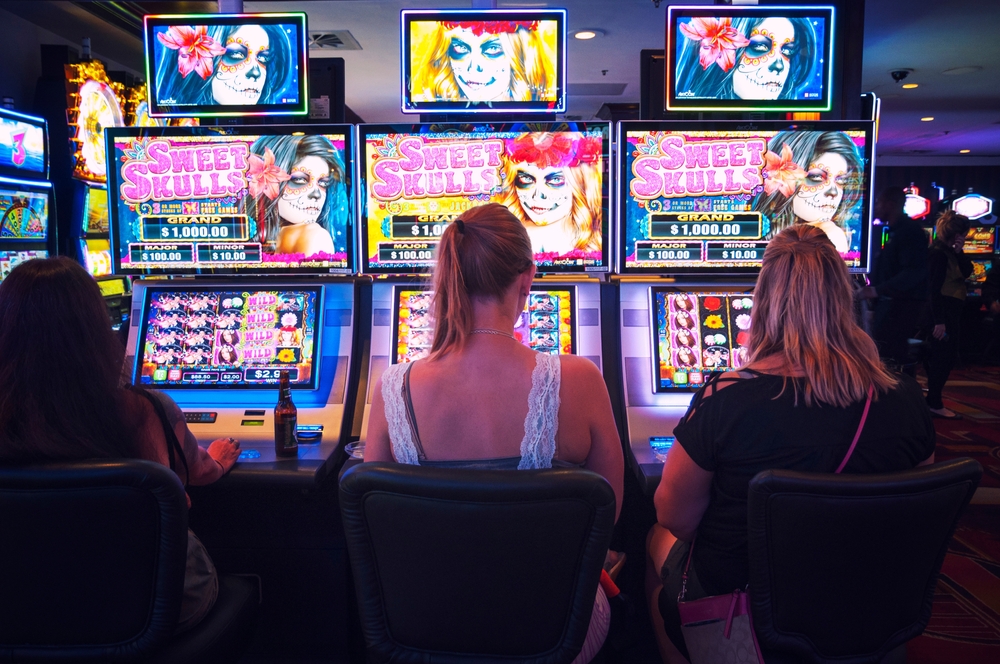
Of the Scandinavian nation’s 10.7 million population, it’s estimated that some 350,000 Swedes suffer from some form of gambling addiction.
That’s just over three percent, placing it at the higher end of the European average for gambling addiction which ranges from 1.5 percent to three percent.
Since the re-regulation of the Swedish market via the passing of the 2018 gambling act, the Swedish Gambling Authority (Spelinspektionen) has introduced strict regulatory control over the national gambling and gaming markets.
But many argue that the states’ renewed efforts are failing, with increasing incidents of child gambling and–if this new data is anything to go by–an increasing number of young female gamblers with concurrent mental health problems.
Significant Numbers
In 2026, Swedish GGR saw a steady growth of 1.3 percent, as reported by the Swedish Gambling Authority.
Revenue from both online casino and sports betting climbed 3.2 percent, moving from SEK17.8 billion (£1.37bn/US$1.97bn) to SEK18.4 billion (£1.41bn/US$2.03bn).
These numbers are significant.
Online gambling now makes up 69 percent of the gambling market share in Sweden.
In the UK, problem gambling has been rising, exponentially, amongst women, in tandem with the rise of iGaming, as iGamingFuture reported earlier this year.
Among the issues highlighted for female players experiencing gambling harm are: Increased feelings of shame, isolation and a phenomenon called telescoping – which means an accelerated escalation to harm-play.
Shame and Secrecy
The very nature of iGaming covertly encourages these issues.
Shame can be offset by the secrecy online play often awards.
And smart-phone-led platforms afford constant access, facilitating gambling at any time of day.
But there is a fundamental lack of research into female-specific experiences of problem gambling in the UK, meaning no such data-set corresponds with rising reports.
Yet the research that does exist across other European contexts shows that women are drawn to gambling for different reasons than their male counterparts.
And these new findings highlighted by CasinoFeber, alongside the pre-existing data, paints an ever-similar picture:
Many female gamblers aren’t just drawn to play for the thrill of the game, but often do so because of external problems; be that prolonged experiences of mental health conditions, family stresses, or loneliness and isolation.
Maladaptive Coping-Mechanism
According to one study, men often cite thrill-seeking or wanting to be in control and the playful nature of the game, and the expectation of winning large amounts of money, as gambling lures.
Many women’s gambling habits begin as a way to cope – or a “maladaptive coping-mechanism”, as the study puts it.
They may also see gambling as a way to boost their mood or as a form of escapism from issues in their lives.
British Charity GamCare, who we spoke to back in January, echo these observations entirely:
“Gambling [amongst women] is often more of a strategy to cope with something else that’s happened,” GamCare iterated.
A 2023 study on gambling habits in Sweden found that more Swedish women were seeking treatment for gambling disorders and were showing higher concurrent symptoms of depression and anxiety.
Chronically Under-reported
“In Sweden, it has been estimated that 0.2 percent of women and 0.8 percent of men have a severe gambling disorder and that more women than men proportionally stand for new cases i.e., number of individuals progressing from no problems or low-risk to gambling problems or gambling disorder,” Addiction Specialist Louise Miller wrote in the report.
The case of Sweden provides hard data to key trends that have been highlighted by field research across Europe and anecdotal evidence from gambling-support charities and affiliated support services.
But it also signals the need to conduct more thorough and comprehensive research on women’s relationship with gambling, which has already been flagged as being chronically under-reported and under-represented in both the public realm and academic gambling-research fields.
By showing that there are distinct patterns amongst female gamblers and indeed, female problem gamblers, this type of hard data can support the creation of specific treatment plans for women across Europe and the rest of the world who are suffering from the impact of gambling addiction.
You can read the full CasinoFever report here:
https://www.casinofeber.se/undersokningar/casinotempen-2025/psykisk-ohalsa-och-spel-om-pengar