With the 2026 FIFA World Cup just weeks away, gambling operators are frantically preparing for one of the biggest betting spikes in the industry’s history. But many are also questioning the best strategies to prevent post-tournament drop-off and secure sustainable retention, writes Lauren Harrison.
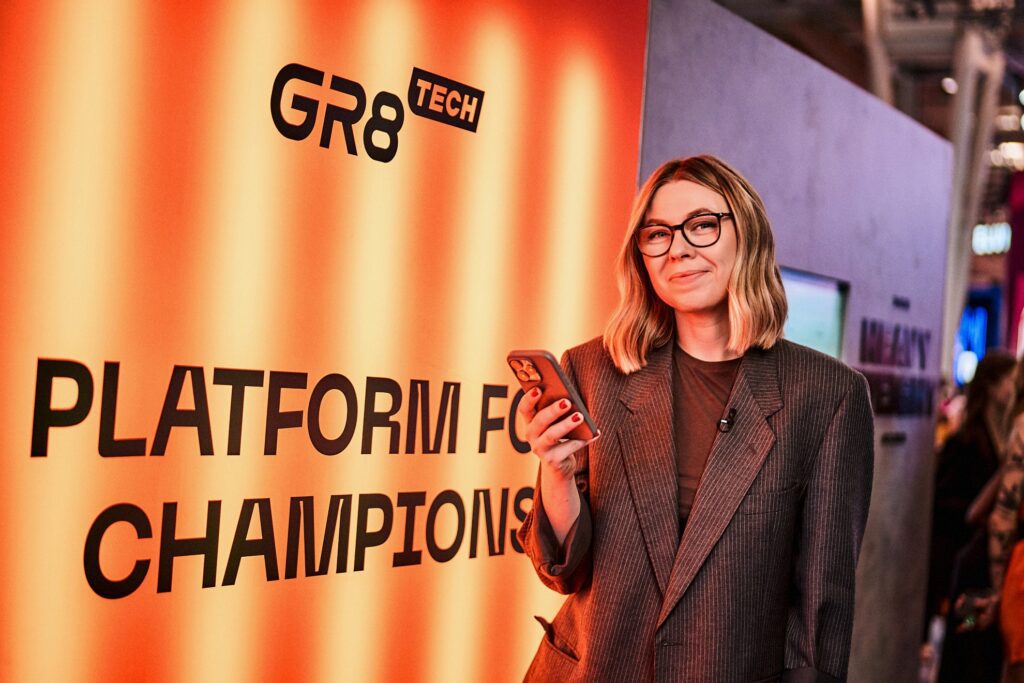
Amid this backdrop, iGamingFuture invited GR8 Tech’s CCO, Kateryna Pozdnysheva, into the studio for a World Cup strategy deep-dive.
Join us as we discuss everything from the biggest operational mistakes to CRM strategies that engage both casual and experienced bettors.
A top voice in the industry, Kateryna is one of few young female iGaming executives leading from the C-suite. She has spent nearly five-years at GR8 Tech, ascending rapidly through the ranks, following earlier roles with Aegis and Yandex.
If she’s not already on your radar, she should be.
Welcome back, Kateryna.
As operators look ahead to World Cup 2026, what are the most common mistakes you see in how they approach player acquisition? And how can a more strategic CRM framework help convert short-term traffic spikes into long-term value?
“The most common mistake is treating the World Cup solely as an acquisition moment, rather than a retention opportunity.
“Operators often over-invest in traffic and bonuses, then mistake that short-term spike for a growth strategy. But if the setup behind it is weak, whether it’s CRM, segmentation, localisation, or operational readiness, the value disappears as soon as the World Cup ends.
“A more strategic CRM framework changes that. It starts with understanding who is coming in, how different players behave and what journey each group should move through next. That means having the right campaigns, incentives and communication flows in place from day one.
“This is also where partnership matters a lot. A supplier can provide the tools, but sustainable results depend on two-way communication and operator ownership.
“The strongest outcomes happen when both sides stay close: We help shape the CRM strategy, flag risks early and align the product to the market, while the operator brings market knowledge, focus and a team that can act on the insights.
“That is how a short-term traffic peak from the World Cup becomes something much more durable.”
How can operators better align acquisition, CRM, and product departments to create a seamless player journey, particularly during high-intensity global events where expectations and competition are at their peak?
“Operators do this better when they stop treating acquisition, CRM and product as separate workstreams and start managing them as one connected commercial journey.
“During major events, acquisition may drive traffic, but product shapes the player experience and CRM determines whether that interest turns into ongoing engagement.
“If those teams are not working towards the same goals, the player journey breaks down quickly.
“Offers may not align with the actual product experience. The transition after registration can feel disjointed. And campaigns may fail to reflect how different player groups actually behave.
“In practice, alignment starts with shared planning before the event: Clear cohort priorities, agreed conversion and retention goals and a product set-up that matches the market, the campaign strategy and expected demand.
“CRM should be built into that process early, so communication flows, incentives and engagement mechanics are ready from the start.
“Product teams also need to stay close to both acquisition and CRM, because stability, localisation and the right feature set-up directly impact player retention.”
The World Cup is unique in its ability to attract a high level of casual players. How can operators ensure they are providing a maximised player experience to the more casual/novice bettors and also the more experienced, savvy bettors simultaneously?
“Casual and experienced bettors arrive with very different expectations, so operators need an experience that is simple on the surface, but deep where it matters.
“For casual players, that means low-friction onboarding, intuitive navigation, clear market presentation and CRM journeys that guide them without overwhelming.
“For more experienced bettors, it means speed, depth of markets, advanced sportsbook features and the freedom to engage in a more sophisticated way.
“The best product set-up, like the one we have on our ULTIM8 Sportsbook, can support both at once, as long as the experience is configured around different player behaviours.
“This is where close collaboration really matters.
“An operator needs to understand their audience and define the right segmentation strategy, while the platform partner helps shape the product set-up, engagement flows and feature mix around those goals.
“With strong two-way communication, operators can keep adjusting during the event, making the experience more relevant for each group of players and much more valuable, long after the tournament traffic has passed.”
Looking beyond the World Cup, how can operators avoid the “post-event drop-off” and build sustainable engagement ecosystems that keep players active long after major sporting moments end?
“Operators have to plan for continuity before the event begins. Sustainable engagement comes from building a system that keeps players moving forward.
“That means using CRM, product and content strategy to create ongoing reasons to return: Segmented player journeys, relevant offers, strong lifecycle communication and an experience that keeps evolving beyond one event.
“It also means understanding which cohorts have long-term potential and shaping retention mechanics around their behaviour, instead of relying on the same approach for everyone.
“A platform provider can provide the tools, data and flexibility to support that model, but the operator still has to bring ownership, clear priorities and a team that stays close to performance after go-live.
“With regular communication and shared review points, both sides can keep improving the set-up, identify churn risks early, and build an engagement model that keeps working well beyond the event itself.”
Editor’s Note:
The World Cup will drive an unprecedented betting boom. But for operators, the real challenge lies in what comes after and how to convert the spike in activity into sustainable retention.
For Kateryna, the answer is preparation, internal alignment, forward momentum and strong partnerships. She argues that the biggest mistake operators can make is over-investing in traffic and bonuses without the strategic supporting systems needed to retain players.
Instead, operators must take a cohesive and collaborative approach. That’s acquisition, CRM and product teams working in sync to deliver a seamless and engaging customer journey. If teams are not aligned, the journey becomes fragmented and quickly breaks down. And that’s when engagement begins to slip.
As for avoiding post-tournament player drop-off, that too is a matter of understanding, planning and momentum.
Kateryna advocates that operators must keep players moving forward and give them reasons to return. That means segmented player journeys, relevant and personalised offers, strong communications – and an evolving experience.
Those who approach the World Cup with this mindset–and a strong technical partner like GR8 Tech, which supplies not only the tools but also the expertise–won’t just benefit from the short-term uplift, they stand to build a new player base that lasts well beyond the final whistle.