
While most sports betting action has been focussed on FIFA World Cup action, hallowed U.S. college sports–nominal standard bearer of the great amateur tradition–has been roiled by yet another controversial development in a major insider gambling scandal.
Brendan Sorsby, star quarterback of Texas Tech, one of the so-called Big 12 American football college teams, has been granted a temporary restraining order against the National Collegiate Athletic Association (NCAA).
The controversial judgment allows Sorsby to play the 2026 football season – despite admitting to betting on his own teams for years and having a long-running gambling addiction.
Wrong Kind Of History
Many in the industry view this as a watershed moment, “the wrong kind of history” and a precedent that could cause lasting damage to sports and athletes.
Why?
Because there are two very simple cardinal rules of collegiate sports that prevent it from being a free-for-all:
Firstly, one cannot bet on one’s own team (a Tier 1 violation, carrying a permanent ban from collegiate athletics) and secondly, you cannot bet on other teams (a Tier 2 violation, resulting in an immediate suspension).
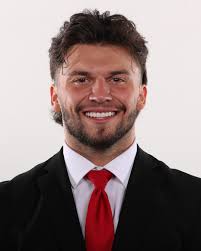
Born in the Lone Star state, Sorsby, 22, played for the Indiana Hoosiers and Cincinnati Bearcats before transferring to Texas Tech’s Red Raiders in January 2026.
Stunning Admission
This March he made headlines after admitting to betting on his own teams while at Indiana and Cincinnati.
And in total, it’s believed he wagered approximately US$90,000 (£67,215) from 2022 onwards.
He also admitted to suffering from a long-term gambling addiction.
His stunning admission was made after a sportsbook tipped off the NCAA about suspicious bets.
According to the subsequent NCAA investigation, Sorsby had been using family and friends as proxies to place thousands of dollars in small bets, usually US$50-US$100 (£37-£74), on his behalf.
Gambling Addiction
After being placed on indefinite leave on April 27, Sorsby spent roughly 35 days receiving inpatient treatment for gambling addiction at a clinic in Arizona.
But after his release, he immediately filed suit against the NCAA.
On June 8, Judge Ken Curry granted a temporary injunction against the NCAA, allowing Sorsby to play, although he ordered a two-game suspension.
Curry said that blocking the quarterback from playing during the 2026 season would cause him “imminent and irreparable injury”.
Importantly, the legal challenge did not examine whether Sorsby had broken NCAA rules. Instead, it focused on whether preventing him from playing would cause him irreparable harm, favouring injunctive relief.
Schools Outraged
But the ramifications of this judgement for Texas Tech and its athletes may be more far-reaching.
According to reports, the top college Big 12 Conference teams are planning to discuss a league-wide ban on scheduling Texas Tech.
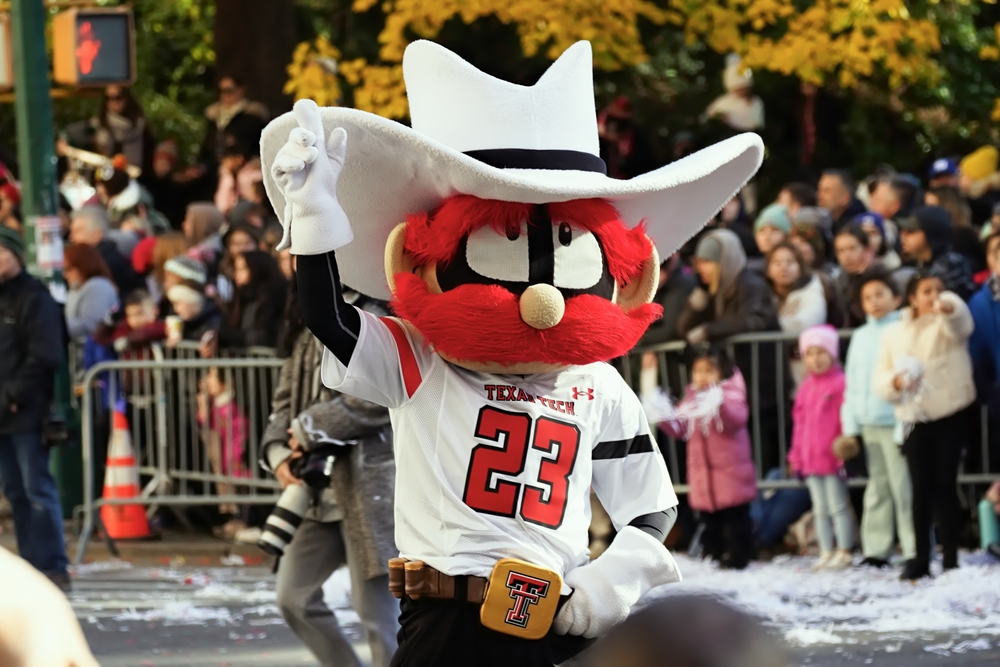
Meanwhile, the University of Nebraska and Georgia’s athletic directors have already notified coaches they will not be playing games against Texas Tech going forward.
And it’s not just schools that are outraged, the NCAA and wider industry are too.
Targeted Intervention
NCAA President Charlie Baker said on X: “There is no better example of why targeted intervention from Congress is necessary.
“When you have schools and deep-pocketed supporters willing to look the other way on the glaring integrity threat of betting on your own team–and judges whose rulings effectively strip away our ability to stop them–only Congress can equip the NCAA to apply this common sense rule to everyone fairly and consistently.”
As legal online wagering has expanded across the United States, integrity alerts have risen alongside it, leading many to call for bans on prop bets which encourage wagering on individual athlete actions rather than game outcomes, which makes them more susceptible to manipulation and leaving athletes open to harassment.
Meantime, one other key question remains unanswered: How did three successive universities fail in their duty of care to Sorsby, a player suffering a long-running gambling addiction?