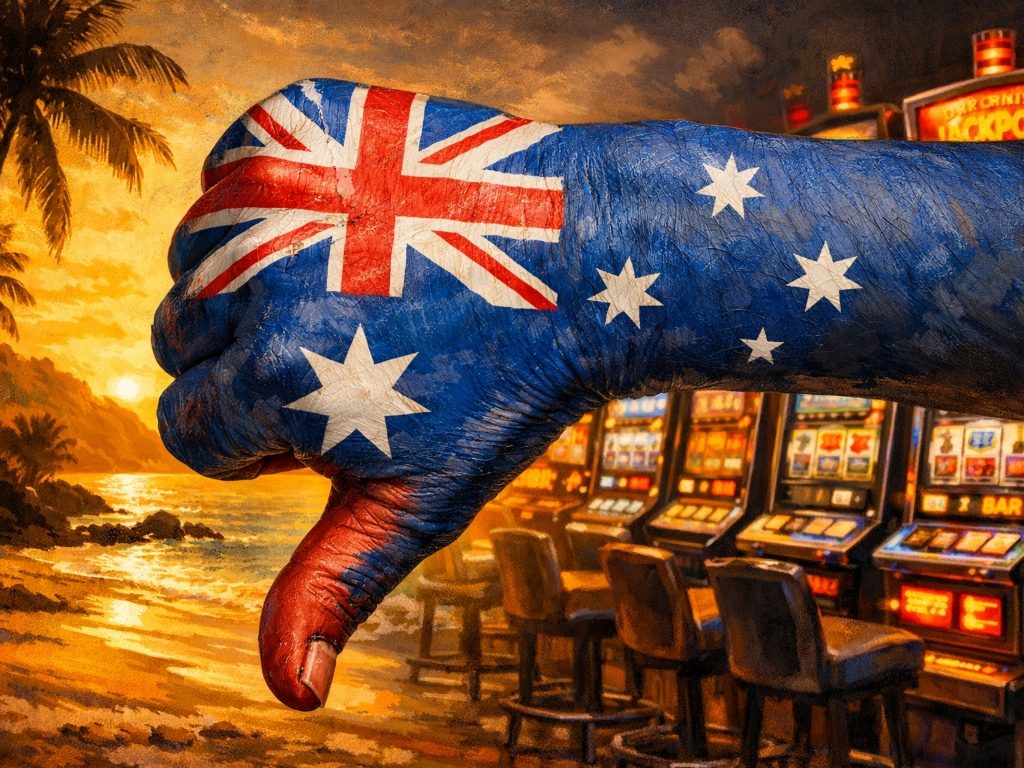
The landmark 2023 Murphy Report, the most significant federal inquiry into gambling harm ever conducted in Australia, was titled: “You Win Some, You Lose More.”
With one-in-every-100 Australians having a betting problem, nothing could be more apposite.
Per capita, citizens of the island-continent lose more to gambling than any other country in the world: An average of AUS$1,635 a year (£871/US$1,171) to be precise, according to the Grattan Institute.
That’s double the average losses in the U.S.
And it wasn’t until April 2 this year that the Australian Labor Government finally released a controversial, and markedly late, response to the recommendations outlined by the report.
Ad Bans
At the National Press Club of Australia, Prime Minister Anthony Albanese, announced a series of new advertising reforms. Among them, capping gambling ads on broadcast television between 6am and 8:30pm; banning celebs and former sports players from appearing in gambling ads and banning online advertising unless a user aged 18-years-old and above is logged into the account.
But gambling harm experts warn these measures just simply aren’t enough.
Albanese pledged to implement just six of the 31 recommendations made by the report.
Others were also quick to comment on the timing of the government’s announcement, which fell on the same day as they announced the national budget for the year:
“It is really clear that the government is trying to avoid public scrutiny, because it knows that its response on gambling reform is not good enough and will disappoint the Australian public,” said Kate Chaney Independent MP, Federal Member for Curtin.
Grey Market Gambling Harms
“And I wish I could find the right words, to make you feel better and walk out of this place,” sang Tim Freedman, frontman of the Whitmans in their 1999 hit Blow up the Pokies.
He was referring to poker machines, nicknamed “pokies”, which have become an ubiquitous strand of social life; littered across the pubs, social clubs and the casinos of every Australian state.
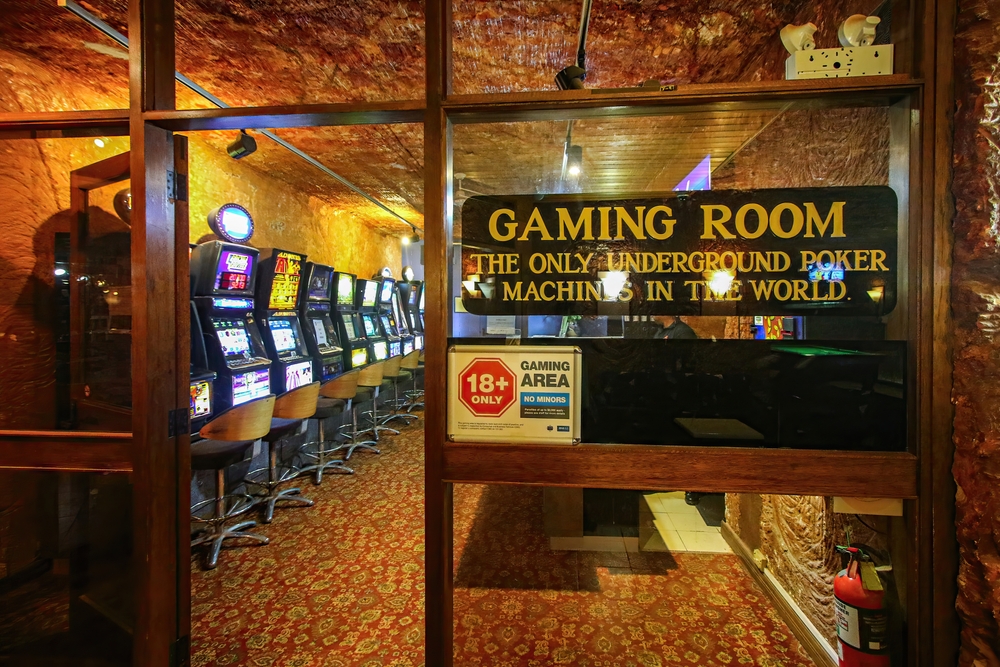
And pokie culture paints a picture of the nation’s long and troubled history with gambling abuse.
“Every Australian knows someone hurt by gambling. Gambling harm doesn’t just hurt individuals – it can have a devastating impact on families and communities,” said Minister for Social Services Tanya Plibersek.
But beyond the boozers and social clubs of the sports-loving nation, the Murphy Report highlighted the growth of online gambling as a significant concern for public safety. Particularly in regard to the way digital platforms and offshore operators are reshaping how Australians access gambling.
Limited forms of iGaming–such as online sports betting and lotteries–are legal in certain states. But much of iGaming, like online casinos and pokies, is banned under federal law under the 2001 Interactive Gambling Act.
Influencers Behaving Badly
Yet this hasn’t stopped major former sports stars from partnering with and promoting these platforms with impunity.
One such iGaming casino is Vegastars, who have actively worked with former Australian Football League (AFL) stars Rhys Mathieson and Mitch Robinson.
These online promotions bypassed traditional advertising controls through influencer-style content, affiliate links, and “ambassador” deals, which had a wide reach that made enforcement difficult.

The result is a widening gap between domestic gambling regulation and the borderless and highly profitable world of digital advertising.
Aussie punters are being systematically targeted by sporting celebrities who covertly assume legitimacy on gambling services deemed unlawful by the authorities.
Despite their grey-market status, Vegastars openly used the Australian Open to promote themselves, offering giveaway of a AUS$500 (£262/US$351) flight voucher and front row tickets to a night session of the tournament at Rod Laver Arena.
Vegastars openly have a public profile on trustpilot despite their unlicensed status.
iGaming Future reached out to them for a comment but they did not respond.
Looking to the future
Gambling harm organisations and academics have been clear about what they believe is needed next: Reduced advertising around sport, stronger limits on online promotion and tighter rules on inducements are at the centre of their recommendations.
Albanese’s Labor Party has in part addressed these concerns.
But the fragmented regulatory Australian landscape is poorly equipped to deal with online gambling, particularly where offshore operators are concerned.
There are strong calls for national oversight to replace the fragmented system that currently exists. Yet there is still no firm commitment from the federal government to create a single federal regulator.
Whilst the response so far has been partial, the issue is now firmly part of public debate.
And this in itself marks a change. Whether it leads to meaningful reform remains the next test.
Next week, in Part 2 of our Australia special, we’ll take a closer look at the rampant corruption issues in the Australian casino circuit: From junkets and organised crime in land-based casinos to the swelling offshore grey market.