In a country marked by the violence and brutality unleashed for decades by drug trafficking cartels, hosting the world’s biggest sports competition for a third time will be Mexico’s most serious security and operational challenge.
The 2026 FIFA World Cup will be watched by millions of spectators, both in stadiums and online, connected through digital platforms and media networks, amplifying the potential impact of any incident.
And Mexico, population 133 million, the most populous Spanish-speaking nation on earth, will be the largest per-capita World Cup betting market on planet football.
Security concerns in this beautiful but violence-wracked country extend beyond organized actions to disrupt the tournament, to include cyberattacks and disinformation campaigns that can cause panic in large crowds.
In FIFA’s most ambitious and expensive World Cup in history, featuring 48 national teams and 104 total games, Mexico will host 13 matches across three cities — five in the capital, Mexico City, and four each in Guadalajara, the state capital of Jalisco in the central west and Monterrey in the north east of the country, some 140 miles (225kms) south of the Texas border.
Football Crazy
National security officials say the nation’s infamous criminal drug cartels have pledged not to target World Cup events or crowds and that narco leaders have let it be known they will not carry out violent operations in host cities during the tournament.
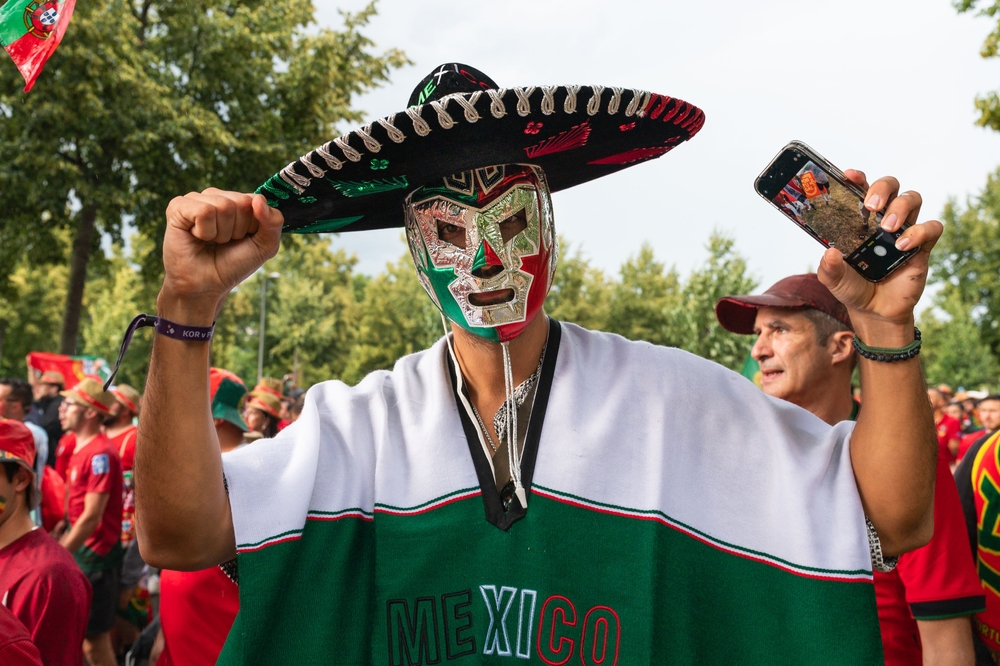
Thankfully, like most of the nation, narcos too are football crazy and wish to see a smooth and successful hosting of the World Cup, with “El Tri”–as the national team are nicknamed, after the tricolour of the green, white and red Mexican flag–using home advantage and progressing to the later knock-out stages.
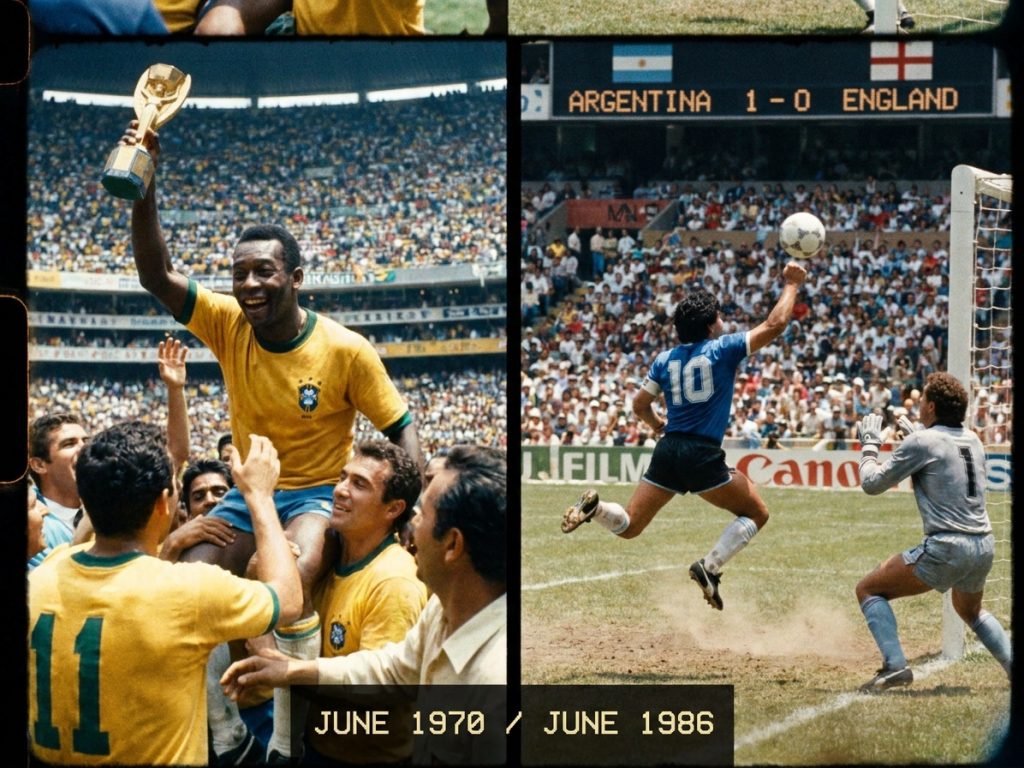
Here in Mexico, World Cup soccer kicks off in the Mexico City Stadium–the renamed Azteca Stadium where King Pelé and “hand of God” Maradona made history–tomorrow (June 11) with the national team playing 1000/1 outsiders South Africa.
Data from H2 Gambling Capital forecasts that Mexican bettors will stake approximately US$2.5 billion (£1.86bn) on the 2026 FIFA World Cup, accounting for nearly 44 percent of the estimated US$5.7 billion (£4.25bn) expected to be wagered across the tournament’s three host nations.
That would make Mexico one of the largest World Cup betting markets globally on a per-capita basis.
The forecast is being driven not only by football’s popularity in Mexico but also by the expanded tournament format of 48 teams and 104 matches, creating substantially more betting opportunities than previous World Cups.
Industry analysts expect this World Cup to drive up sports betting activity in Mexico by 40–50 percent compared with normal periods due to Mexico being a host nation and the first country to host the biggest global sporting event for a third time. One survey found that 62 percent of Mexican respondents planned to wager on the World Cup, while 29 percent are expected to place their first-ever bet.
Home Advantage
And the further their country advances in the tournament into the knockout stages, the more Mexicans will bet on their team.
Mexico are currently around an 80 percent favourite to reach the knockout stage, benefiting from home advantage and a relatively soft Group A, featuring South Africa, South Korea and Czechia.
Most bookmakers have Mexico as favourites to win Group A and price them at -150 to win their Round of 32 match in the first knockout stage and go through to the Round of 16.
Mexico are currently priced as an outside contender to make the quarter-finals, with implied probabilities in the 20–30 percent range of reaching the last eight.
This nation’s outright World Cup odds are generally around +3500 (about a three percent chance to win the tournament).
And current outright markets generally have Mexico at around 70/1 to 80/1 to win the 2026 FIFA World Cup – or a slim 1.4 percent to 1.2 percent chance of becoming world champions.
Cartel Ceasefire
Cartels operating in the states of Jalisco and Nuevo León have reportedly instructed their members not to target anyone connected to the World Cup, including football teams and FIFA officials, with express orders not to “interfere” with the tournament.
“‘They will be prudent,” one Mexican official said, adding:”They do not want to create more problems for themselves. They are intelligent in the way they operate.”
“After all, they like soccer too and want to watch the games,” said another official.
The U.S. government currently advises American travelers to avoid visiting Jalisco state, which remains one of Mexico’s principal organized crime hotspots.
Jalisco has witnessed recent outbreaks of violence, including narcotics-related roadblocks following the reported death of Nemesio Oseguera Cervantes, leader of the Jalisco New Generation Cartel, which President Donald Trump last year designated as a foreign terrorist organization.
Early Warning Systems
Mexico’s security framework is called the Kukulkán Plan, which brings together more than 20 federal agencies, and includes cooperation with Canada, the United States and FIFA, and will involve continuous monitoring, early warning systems, emergency response protocols, plus aerial surveillance and anti-drone systems covering stadiums, airports, hotels, training centres and Fan Festival locations.
The plan envisages the deployment of approximately 100,000 security personnel.
Guadalajara, in Jalisco, presents the most worrisome security risks as the city is heavily influenced by the CJNG and has experienced significant organized crime activity. Its Estadio Akron will host four World Cup matches, including Uruguay versus Spain.
Security
If major cartels refrain from violence during the tournament, attention will shift towards smaller criminal cells that may still pose security risks.
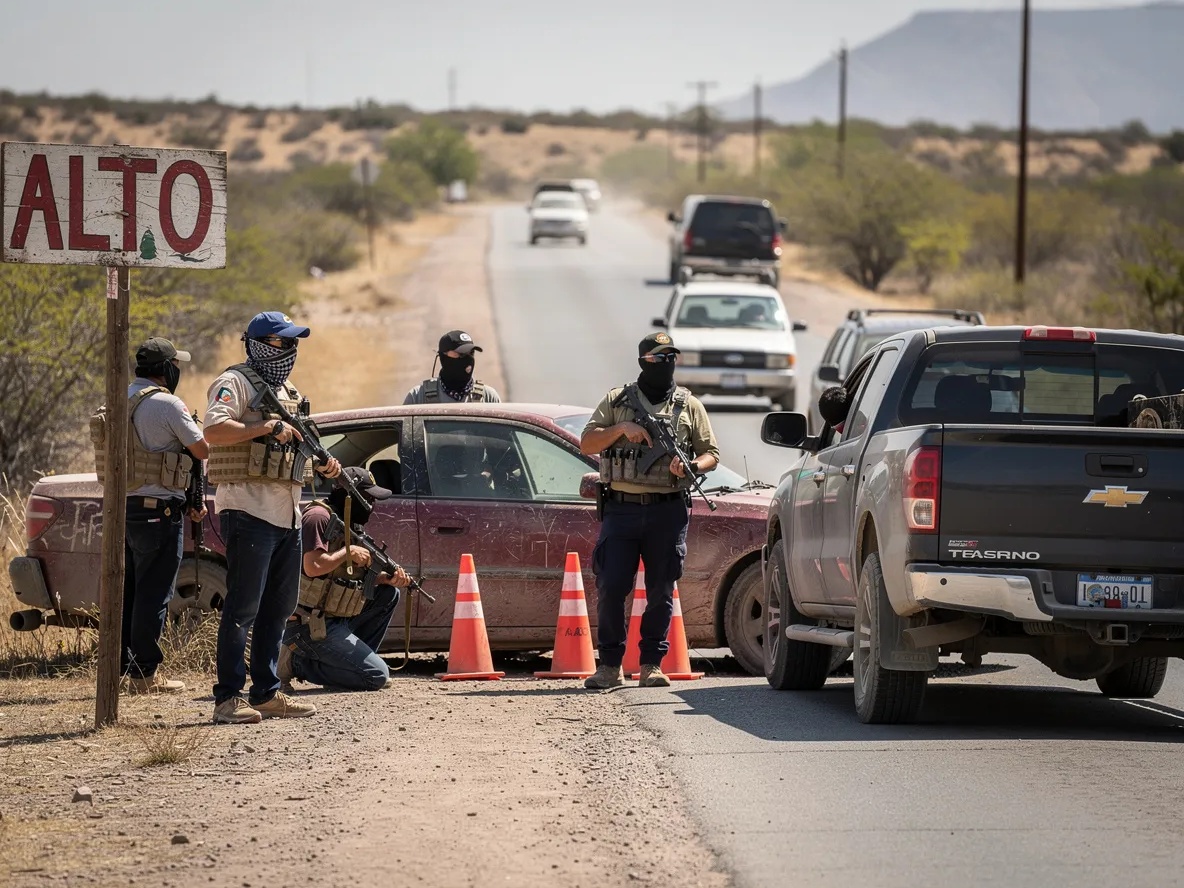
So a substantial police presence around the stadium, supported by Mexico’s National Guard and military personnel, is expected to form a key part of the security operation in Guadalajara.
Monterrey, in Nuevo León, will deploy 15,000 municipal, state and federal security personnel during the tournament, mainly to protect the city’s Estadio BBVA.
The principal criminal threats in the state are linked to the Cartel del Noreste and the Gulf Cartel, both of which have been associated with drug trafficking and people smuggling operations near the U.S. border.
Iran Team
In Mexico City, the country’s capital, the Estadio Azteca could be targeted by local criminal groups rather than cartel activity, and social unrest could generate protests that snarl logistics.
Mexican officials have classified the World Cup as a matter of national security because of its economic, tourism and reputational importance.
President Claudia Sheinbaum has publicly stated that sufficient conditions exist to guarantee the safety of players, teams and supporters.
An additional security concern has emerged around the Iranian national team, which chose Mexico as its base instead of the United States due the ongoing war. FIFA agreed. Instead of Tucson, Arizona, Iran will have Tijuana as its base.